In today’s world, many people find themselves working from home either full-time or part-time. While working remotely offers flexibility, it also means your home office environment plays a big role in your productivity and well-being. Creating a relaxing home office is essential for reducing stress, improving focus, and maintaining a healthy work-life balance.
In this post, we’ll share practical tips you can use to design a calming, comfortable workspace that helps you stay motivated and enjoy your workday.
1. Choose the Right Location
The first step is choosing where to set up your home office. Ideally, find a quiet corner or room that’s separate from high-traffic areas in your home. This helps minimize distractions and creates a clear boundary between work and personal life.
If space is limited, consider these options:
– Use a folding screen or curtain to section off your workspace
– Arrange your desk facing a wall or window to reduce visual distractions
– Avoid setting up in noisy areas like the kitchen or living room when possible
2. Focus on Comfortable and Ergonomic Furniture
Comfort is key when it comes to staying relaxed and focused. Your chair and desk should support good posture to avoid discomfort and fatigue.
Tips include:
– Choose an adjustable chair with lumbar support
– Position your monitor at eye level to prevent neck strain
– Keep feet flat on the floor or use a footrest
– Maintain a desk height that allows your arms to rest comfortably
Ergonomic accessories like keyboard supports or monitor stands can also improve your workspace comfort.
3. Use Soothing Colors and Lighting
Colors and lighting greatly affect mood and productivity. Opt for soft, calming colors like pale blues, greens, or neutrals for walls and decor that help reduce stress.
When it comes to lighting:
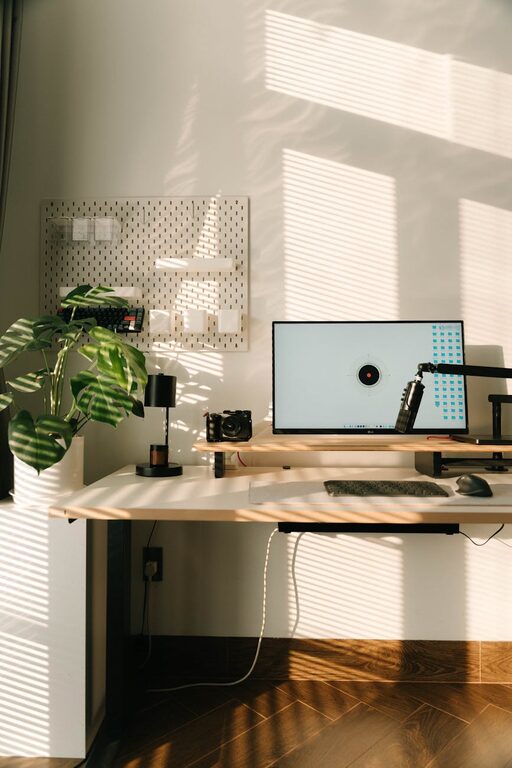
– Maximize natural light by positioning your desk near a window
– Use adjustable desk lamps to control brightness without glare
– Avoid harsh overhead fluorescent lights
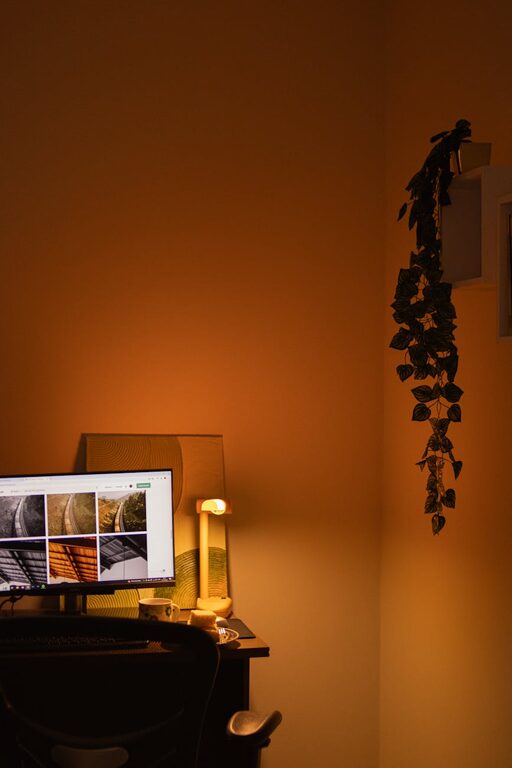
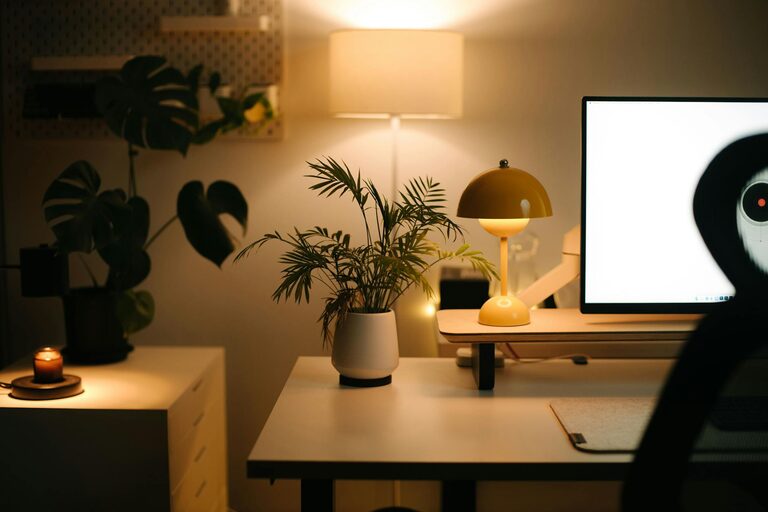
– Consider warm white bulbs for a cozy atmosphere
Adding plants or artwork with natural themes can also enhance the relaxing ambiance.
4. Keep Your Workspace Organized
A cluttered desk often leads to a cluttered mind. Maintaining an organized workspace helps you stay calm and find what you need quickly.
Try these organization tips:
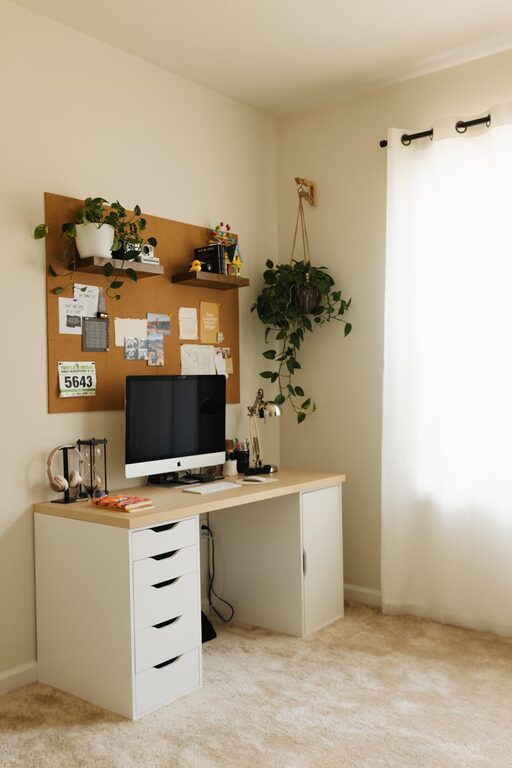
– Use storage solutions like shelves, drawers, or bins
– Keep only essential items on your desk surface
– Declutter regularly to prevent buildup of unnecessary items
– Use cable organizers to manage cords neatly
Having a place for everything encourages a sense of order and peace.
5. Incorporate Calming Elements
Adding personalized touches can make your home office feel more inviting and comfortable. Consider incorporating:
– Indoor plants, which improve air quality and add greenery
– A diffuser with essential oils such as lavender or eucalyptus for gentle aromatherapy
– Inspirational quotes or artwork that motivate without overwhelming
– A small water fountain or soft background music to create soothing sounds
These elements contribute to stress reduction and make your workspace a pleasant place to be.
6. Establish Boundaries and Break Routines
Even the best-designed home office can’t keep you relaxed if work spills into your entire day. Set clear boundaries to maintain balance:
– Set regular work hours and stick to them
– Take short, frequent breaks to stretch and rest your eyes
– Use a dedicated ‘start work’ ritual, like making coffee or lighting a candle, to signal the beginning of the workday
– When work ends, physically leave your workspace or close your laptop
Creating boundaries helps your mind shift between work and relaxation, contributing to long-term productivity and well-being.
7. Manage Noise Levels
Noise distractions can quickly disrupt your concentration and raise stress. To keep your office sound-friendly:
– Use noise-canceling headphones or play white noise or soft background tunes
– Add rugs, curtains, or padded cushions to absorb sound
– Discuss quiet hours with household members if possible
Effective noise control helps maintain a peaceful environment for focused work.
Final Thoughts
Creating a relaxing home office isn’t about spending a lot of money or finding a perfect spot. It’s about forming an environment that supports comfort, organization, and mental calm. By choosing the right location, optimizing furniture and lighting, staying organized, and adding calming touches, you can enhance your home work experience.
Try these tips one step at a time to find what works best for your unique space and lifestyle. A peaceful home office supports not only your productivity but also your overall happiness and work satisfaction. Happy decorating!