Creating a relaxing home workspace can transform how you work every day. When your environment feels calm and comfortable, it’s easier to focus, stay motivated, and enjoy what you do. Whether you’re setting up a new office or refreshing your existing space, a few thoughtful changes can make a big difference.
Why a Relaxing Workspace Matters
Your work environment impacts your mood, energy, and efficiency. A cluttered or uncomfortable space can lead to distractions, stress, and fatigue. On the other hand, a well-designed and relaxing area helps you stay on task and sustain longer periods of productive work.
Choosing the Right Location
Start by choosing the best spot in your home for your workspace. Ideally, it should be:
– Quiet and private: A place with minimal noise and foot traffic prevents interruptions.
– Well-lit: Natural light is best, but good-quality artificial lighting works too.
– Comfortable temperature: Avoid areas that are too hot or cold to maintain focus.
If space is limited, even a small corner can be converted into a functional workspace as long as it meets these basic criteria.
Optimize Lighting for Comfort and Focus
Lighting affects how alert and productive you feel. Here are a few tips:
– Use natural light whenever possible by placing your desk near a window. Natural light improves mood and reduces eye strain.
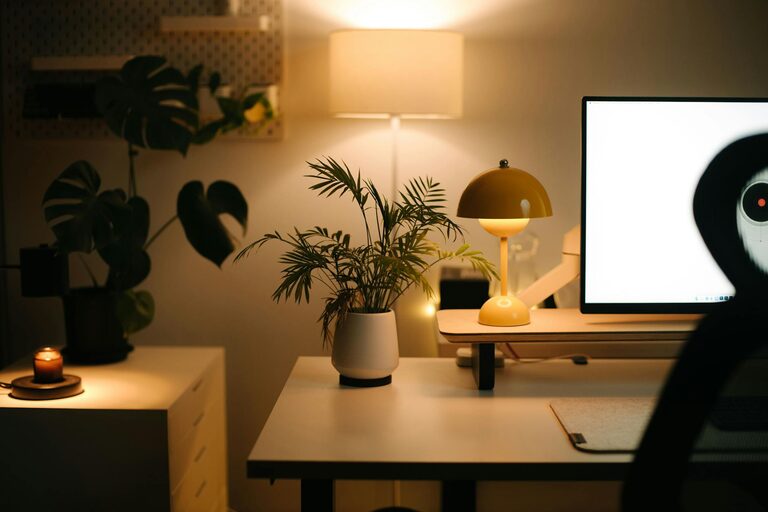
– Add task lighting like an adjustable desk lamp to brighten your work area during dark hours.
– Avoid screen glare by positioning your monitor perpendicular to windows or light sources.
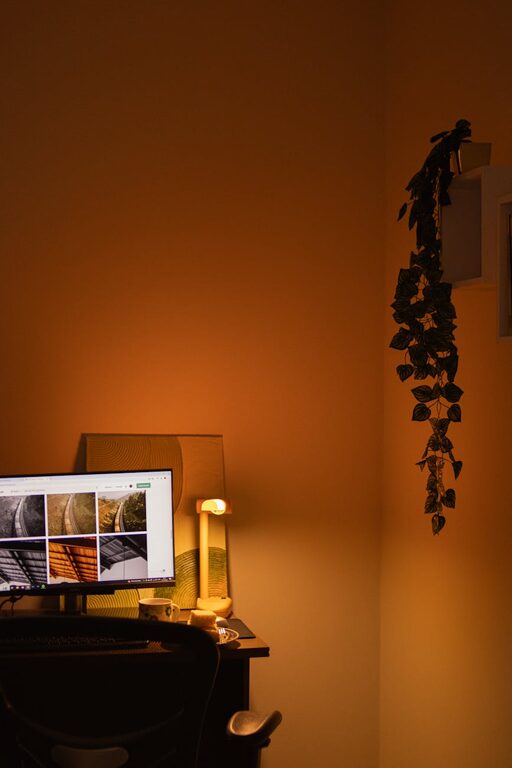
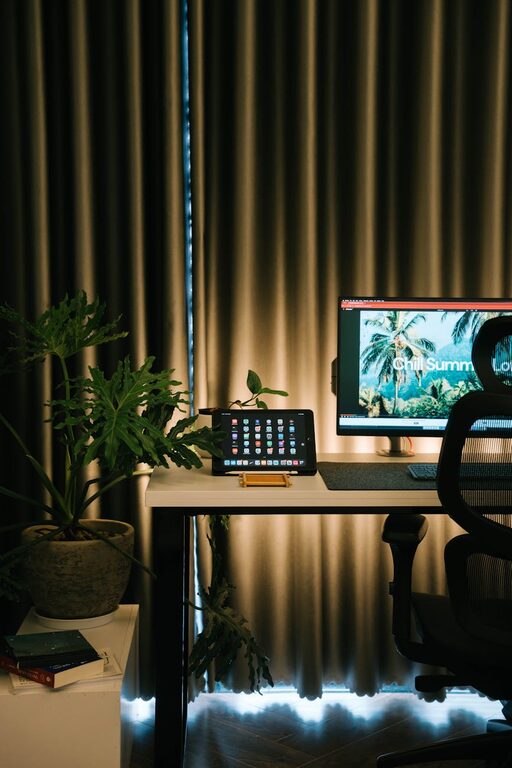
– Use soft, warm lights rather than harsh fluorescents to create a soothing atmosphere.
Invest in Ergonomic Furniture
Comfort is essential for long hours spent working. Consider:
– An ergonomic chair that supports your lower back and encourages good posture.
– A desk at the right height to prevent strain on your wrists and shoulders. Adjustable desks allow you to switch between sitting and standing.
– A keyboard and mouse designed to minimize repetitive motion injuries.
– Monitor stands or adjustable arms to keep your screen at eye level.
These upgrades reduce discomfort and fatigue, helping you stay focused.
Declutter and Organize Your Workspace
A tidy workspace reduces stress and distractions. To keep clutter away:
– Use storage solutions like shelves, drawers, or filing cabinets to keep supplies neatly stored.
– Keep only essential items on your desk to maintain a clean surface.
– Organize digital files regularly to avoid computer clutter.
– Consider a daily cleanup routine to start each workday with a fresh space.
A neat environment promotes a clear mind.
Add Personal Touches and Calming Elements
Personalizing your workspace makes it welcoming and less sterile. Try:
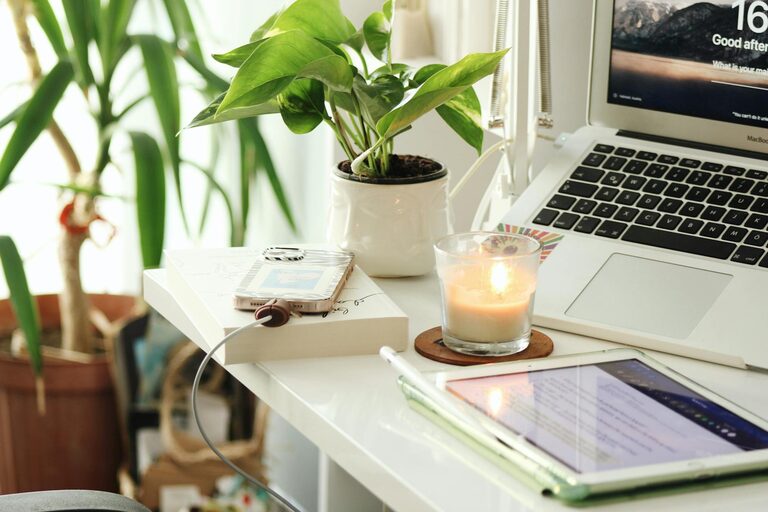
– Displaying plants, which improve air quality and add a natural, calming vibe.
– Adding artwork or photos that inspire or relax you.
– Using soft textiles like a cozy rug or cushion to increase comfort.
– Including aromatherapy items like a diffuser with calming scents such as lavender or eucalyptus.
These touches can make your workspace feel like a pleasant place to be.
Minimize Digital Distractions
Technology is essential for work but can also be a source of distraction:
– Use apps that block distracting sites during work hours.
– Keep your phone on silent or in another room if it’s not needed.
– Manage notifications to allow focus on important tasks.
Setting boundaries around your devices helps maintain concentration.
Build a Routine that Supports Relaxation and Productivity
Your workspace is important, but so is how you use it:
– Establish regular work hours to create predictable patterns.
– Take short breaks to stretch or meditate, helping reduce stress.
– Customize your daily schedule to include periods of focused work and rest.
– Consider techniques like the Pomodoro method for managing work sessions.
A routine that balances effort and relaxation maximizes your efficiency.
Final Thoughts
Designing a relaxing home workspace is an investment in your comfort and productivity. By choosing the right location, improving lighting, investing in ergonomic furniture, keeping your space tidy, adding personal touches, managing digital distractions, and developing a balanced routine, you can create an environment where work feels less like a chore and more like a part of your day you enjoy. Start small, make changes that fit your lifestyle, and watch how your productivity and comfort improve.