
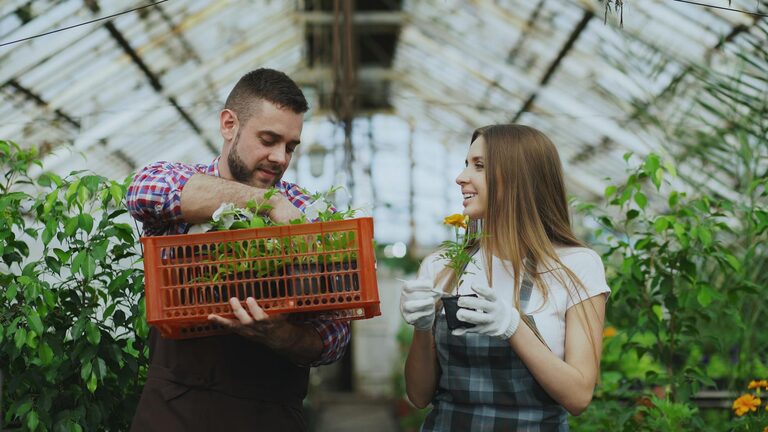
Creating a sustainable home garden that produces fresh, healthy plants throughout the year is an achievable and rewarding goal. A well-planned garden not only offers beautiful greenery and fresh produce but also supports environmental health by conserving resources and promoting biodiversity. This guide offers practical tips to help you design, plant, and maintain a sustainable garden that flourishes no matter the season.
Understanding Sustainable Gardening
Sustainable gardening focuses on using natural processes, minimizing waste, and reducing environmental impact. It involves smart choices—from selecting plants to managing water and soil—that contribute to a thriving ecosystem. By adopting sustainable practices, gardeners can enjoy a harvest all year and reduce the need for chemical fertilizers and pesticides.
Planning Your Year-Round Sustainable Garden
Choose the Right Plants
Selecting plants that thrive in your local climate and soil is key for sustainability. Native plants are often the best choice because they require less water, fertilizer, and care. Incorporate a mix of:
– Perennials: Plants that return each year, reducing the need for replanting.
– Annuals: For quick-growing vegetables and flowers to rotate seasonally.
– Evergreen shrubs: To provide year-round structure and shelter for beneficial insects.
Design for Seasonal Change
Plan your garden layout to maximize sunlight in winter and offer shade during hot months. Consider planting in layers:
– Ground cover plants to protect soil.
– Mid-level herbs and vegetables.
– Taller shrubs or small trees for windbreaks and shade.
Rotate crops and plant varieties according to season to keep the soil healthy and reduce pest build-up.
Soil Health and Composting
Healthy soil is the foundation of a sustainable garden. Focus on building rich, nutrient-dense soil that retains moisture and supports beneficial microorganisms.
– Add organic matter: Use compost, manure, and leaf mold to improve soil texture and fertility.
– Practice crop rotation: Changing plant locations each season helps prevent nutrient depletion.
– Mulch: Apply a layer of mulch to reduce water evaporation and suppress weeds.
– Avoid chemical fertilizers: Opt for natural amendments to maintain soil health over time.
Starting a compost bin is a great way to recycle kitchen and garden waste into valuable nutrients for your soil, reducing waste and improving plant growth.
Efficient Water Management
Water is a precious resource, so using it wisely is essential for sustainable gardening.
– Collect rainwater: Use rain barrels or other collection systems to water plants.
– Water early or late: Reduce evaporation by watering in the cooler parts of the day.
– Drip irrigation: Target watering to plant roots and avoid waste.
– Choose drought-tolerant plants: Incorporate species that thrive with less water.
Improving soil with organic matter also helps it retain moisture longer, meaning less frequent watering.
Supporting Wildlife and Pollinators
A sustainable garden benefits from attracting helpful insects and wildlife that contribute to pollination and pest control.
– Plant a variety of flowering plants that bloom throughout the year to provide nectar and habitat.
– Avoid pesticides that harm beneficial insects.
– Create habitats such as logs, stones, and small ponds to attract birds and amphibians.
– Include native plants favored by local pollinators.
Supporting biodiversity strengthens your garden’s resilience and reduces the need for chemical inputs.
Seasonal Maintenance Tips
Successful year-round gardening requires seasonal care to keep plants healthy.
Spring
– Prepare beds by adding compost and aerating soil.
– Start seeds indoors for early planting.
– Prune dead or damaged branches.
Summer
– Mulch to conserve moisture.
– Monitor for pests and diseases.
– Harvest regularly to encourage growth.
Fall
– Plant cover crops to protect and nourish soil over winter.
– Collect fallen leaves for compost.
– Divide and transplant perennials if needed.
Winter
– Protect sensitive plants with mulch or covers.
– Plan next year’s garden based on this season’s successes.
– Clean and maintain tools.
Sustainable Gardening Tools and Practices
Investing in durable, eco-friendly tools can enhance your gardening while reducing waste. Consider tools made from sustainable materials or those that are repairable. Opt for hand tools when possible to reduce energy use.
Practice sustainable habits like:
– Minimizing plastic use.
– Reusing containers and pots.
– Recycling garden waste.
These small actions contribute to your garden’s overall sustainability.
Conclusion
Creating a sustainable home garden all year round requires thoughtful planning and ongoing care, but the benefits are well worth the effort. By choosing the right plants, nurturing healthy soil, managing water efficiently, and supporting local wildlife, you can enjoy a productive and eco-friendly garden season after season. Your sustainable garden becomes a living space that nourishes both you and the environment, turning your outdoor area into a thriving ecosystem for years to come.