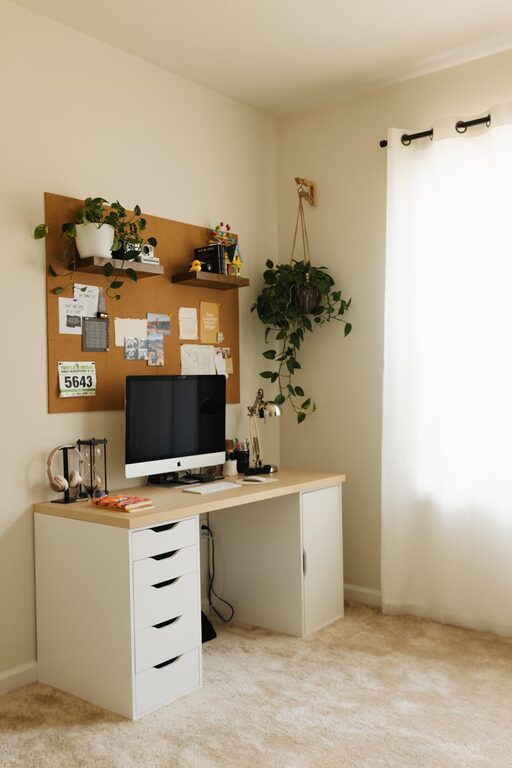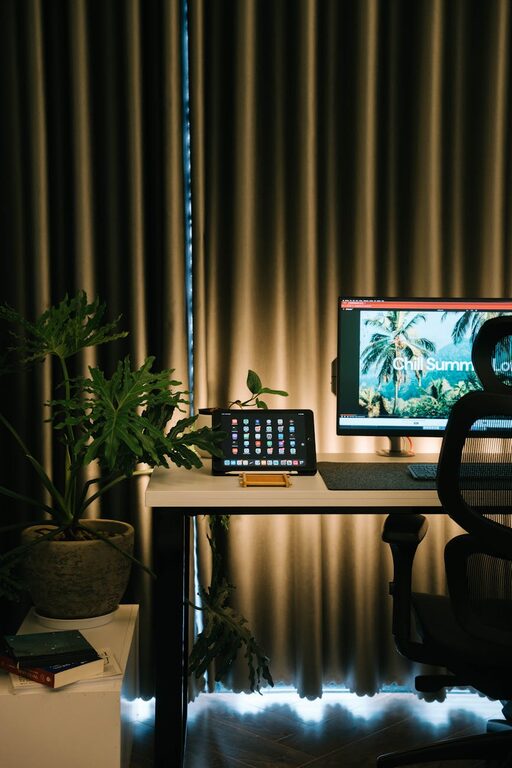
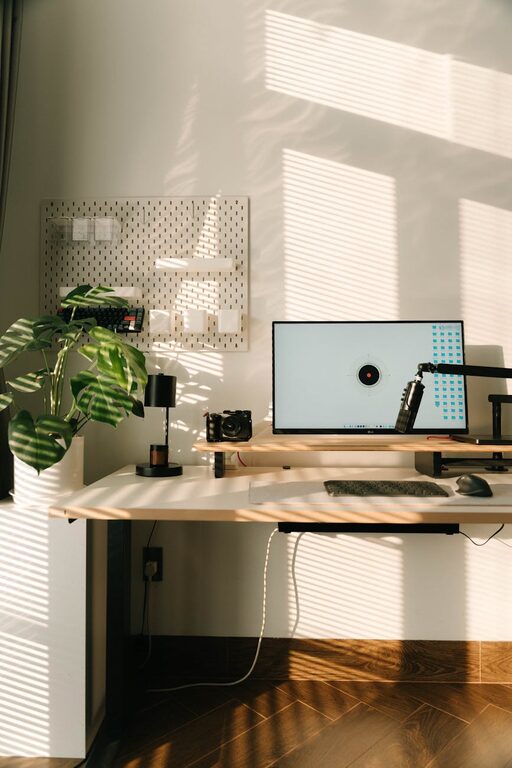
Creating a cozy and functional home office space is essential for anyone working or studying from home. A well-designed workspace helps boost productivity, reduces stress, and makes long hours of work more enjoyable. Whether you have a dedicated room or just a small corner, making your home office comfortable and efficient is achievable with some thoughtful planning. Here are practical tips to help you create a home office that feels just right.
Choose the Right Location
Finding the perfect spot for your home office is the first step. Look for a place that offers enough natural light, minimal distractions, and sufficient space for your needs. Some popular options include:
– A spare bedroom
– A quiet corner in the living room or bedroom
– A nook near a window with a good view
Natural light is important because it helps reduce eye strain and improves mood. If natural light is limited, invest in a good quality desk lamp with adjustable brightness.
Invest in a Comfortable Chair and Desk
Comfort plays a big role in maintaining focus during work. Choose an ergonomic chair that supports your back and encourages good posture. Adjustable chairs allow you to find the best height and position for your body, reducing the risk of discomfort or injury.
Similarly, your desk should be at a height that allows your arms to rest naturally while typing or writing. If space allows, opt for a desk with storage options like drawers or shelves to keep essentials within reach.
Organize with Practical Storage Solutions
A cluttered workspace can lead to a cluttered mind. Use creative storage solutions to keep your desk tidy and your supplies organized:
– Floating shelves to maximize vertical space
– Desk organizers or trays for pens, paper, and gadgets
– Filing cabinets or boxes for documents
– Cable organizers to reduce wire mess
Label storage containers so you can easily find what you need without disrupting your workflow.
Personalize Your Workspace
Adding personal touches can make your home office feel welcoming and motivate you to spend more time there. Consider:
– Framed photos or artwork
– A small indoor plant for a touch of greenery and fresh air
– Inspirational quotes or a vision board
– A cozy throw blanket or cushioned seat pad
Make sure these items don’t overcrowd your space. They should enhance, not distract.
Maintain Good Lighting
Alongside natural light, good artificial lighting is crucial, especially if you work early in the morning or late at night. A combination of overhead lights and task lighting ensures you won’t strain your eyes.
– Use soft white bulbs for a calming atmosphere
– Position lamps to reduce shadows on your work surface
If possible, choose adjustable lights so you can control the brightness based on the time of day or task.
Set Up Technology Efficiently
Ensure your technology setup supports your work seamlessly. Here are some tips:
– Use a reliable high-speed internet connection to avoid interruptions.
– Position your computer or laptop screen at eye level to prevent neck strain.
– Invest in quality peripherals, such as a keyboard and mouse, for comfort.
– Use a headset or external microphone if you attend many virtual meetings.
Keep chargers and cables organized to maintain a clean setup.
Manage Noise and Distractions
Noise and interruptions can break concentration and reduce productivity. To create a quiet work environment:
– Use noise-canceling headphones if you’re in a noisy household.
– Consider a white noise machine or soft background music to mask distractions.
– Communicate your work hours to family or roommates to minimize disturbances.
If possible, use a door or room divider to separate your office from the rest of your living space.
Incorporate Flexibility and Movement
Sitting for long periods can be tiring and unhealthy. Design your workspace to encourage movement:
– Use a sit-stand desk or add a standing desk converter.
– Take regular breaks to stretch and walk around.
– Place your printer or files a few steps away to encourage movement.
Flexibility in your setup allows you to change positions and stay comfortable throughout the day.
Keep Your Space Clean and Refresh Regularly
A tidy workspace promotes focus and reduces stress. Make it a habit to:
– Clear your desk at the end of each workday.
– Dust and vacuum regularly.
– Refresh the room by opening windows for fresh air.
– Rearrange or update decorations occasionally to keep the area inspiring.
A clean environment invites productivity and comfort.
Conclusion
Designing a cozy and functional home office doesn’t require a large budget or extensive renovations. By choosing the right location, focusing on comfort, staying organized, and personalizing your space, you can create a work environment that supports your success. Remember to keep lighting, technology, and noise management in mind, and encourage movement throughout your day. With these tips, your home office will become a pleasant place to focus, create, and thrive.